
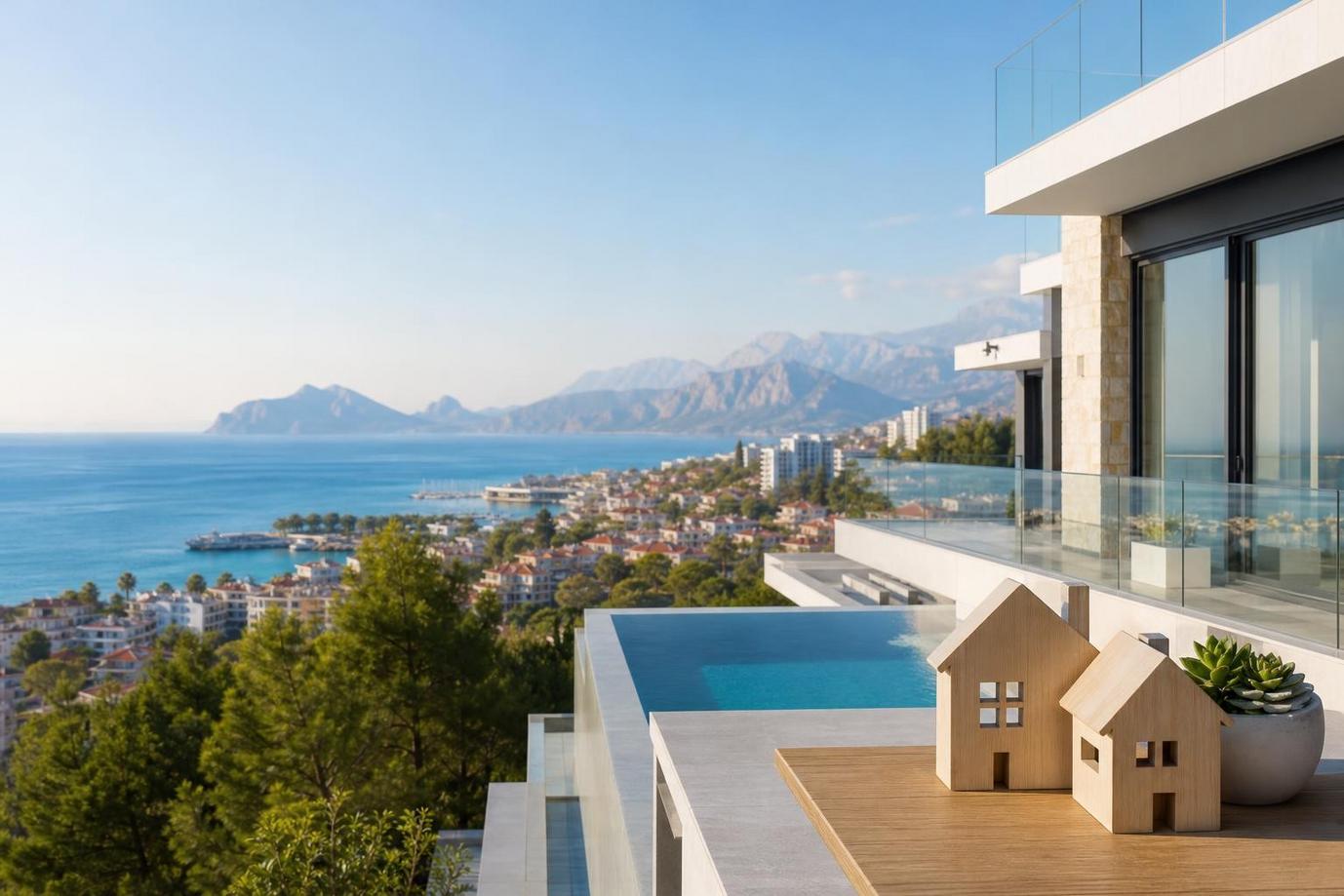
Turkey has long attracted international buyers looking for a holiday home, a lifestyle move, or a property investment with long-term potential. In 2026, that interest continues, but the reasons for buying have become more nuanced. Currency movements, local market dynamics, rental demand, location quality, and legal due diligence all matter more than ever. So, is Turkish property still a good investment in 2026? The short answer is that it can be, but only if the property, location, and purchase strategy are chosen carefully.
For foreign buyers, Turkey remains appealing because it offers a wide range of property types, from sea-view apartments and modern villas to off-plan developments and family homes in established residential areas. Antalya, in particular, continues to stand out for its climate, lifestyle appeal, tourism profile, and broad buyer demand. However, like any market, not every property performs equally well. Understanding what drives value in Turkey today is essential before making a decision.
Turkey offers a combination of lifestyle and investment factors that few markets can match in the same way. Many overseas buyers are drawn first by the practical advantages: a Mediterranean climate, strong tourism infrastructure, relatively diverse property stock, and the ability to choose between city living, coastal resorts, and quieter residential areas.
From an investment perspective, Turkey’s appeal often comes from the following:
That said, the market is not uniform. A property in a prime, well-connected area with quality construction and strong resale appeal will usually be a very different proposition from one bought only because it appears inexpensive.
In 2026, buyers are generally more selective than they were in previous years. Many are paying closer attention to construction quality, legal clarity, energy efficiency, site management, and future liquidity. This is a healthy development, because property investment is increasingly about reducing risk rather than chasing headlines.
Several factors shape the market environment:
The result is a market where informed buyers can still find opportunities, but impulsive buying is less likely to produce a good outcome.
The honest answer is that it can be both. Some buyers focus primarily on investment returns, while others prioritise lifestyle and use the property themselves for part of the year. In Turkey, these two goals often overlap.
If your main objective is financial return, then you should look closely at:
If your priority is lifestyle, then the calculation changes. A villa near the coast or a modern apartment in a well-serviced area may offer value because it delivers personal use, comfort, and potential income when you are not there. In that case, the investment is not measured only by rental yield, but also by quality of life and long-term flexibility.
Antalya continues to be one of the most important markets for foreign buyers in Turkey. It combines year-round livability with strong tourism appeal, and that creates broad market interest across several property segments. Buyers looking at Antalya often compare city apartments, seaside homes, and villa communities in different districts depending on budget and lifestyle goals.
What makes Antalya particularly relevant in 2026 is that it attracts multiple buyer profiles:
However, not every part of Antalya performs in the same way. Location within the city, proximity to the sea, access to infrastructure, and the reputation of the neighbourhood all influence both price and future demand. This is why local knowledge matters so much when assessing investment value.
Rather than asking whether Turkish property as a whole is a good investment, it is more useful to ask what makes a specific property worth considering. In 2026, the strongest opportunities are usually those that combine practical livability with clear resale appeal.
Areas with good transport links, amenities, schools, beaches, marinas, or city access tend to hold buyer interest better than isolated or speculative locations.
Foreign buyers should pay close attention to title deed status, building permits, project completion, and whether the property matches the paperwork. This is especially important for off-plan or newly completed properties.
Properties with functional layouts, modern interiors, outdoor space, parking, pools, and easy access to the coast or city services may perform better for rental purposes. That said, any rental strategy should take local rules into account.
Running costs, maintenance fees, furnishing expenses, and possible renovation needs should be included in your budget from the start. A cheaper purchase price does not always mean a better investment.
A good investment is not only easy to buy, but also easier to sell later. A property that appeals to a wide pool of buyers usually offers better long-term flexibility.
There are real opportunities in the Turkish market, but the risks should also be understood. A careful buyer will review these issues before committing to a purchase.
For this reason, many foreign buyers benefit from working with an experienced local advisor who understands both the market and the practical steps involved in purchasing property in Turkey.
Turkish property may be a good fit if you are one of the following:
It may be less suitable if you want a completely hands-off investment with fixed returns, or if you are not prepared to research the market carefully. Like all property markets, Turkey rewards informed decisions more than speculative ones.
If you are considering a purchase in 2026, the following steps can help you make a more confident decision:
Yes, Turkish property can still be a good investment in 2026, but the best results are likely to come from careful selection rather than broad market assumptions. The strongest opportunities are usually in well-located, well-built homes with clear legal status and realistic income or resale potential. Antalya remains especially relevant for foreign buyers because it offers lifestyle value, tourism-driven demand, and a wide choice of property types.
If you are thinking about buying in Turkey, the key is to approach the market with clear goals and reliable local support. At Resort Property Turkey, we help international buyers compare properties, understand the market, and move through the purchase process with confidence. If you are exploring apartments or villas in Antalya, professional guidance can make the difference between a hopeful purchase and a well-considered investment.

Buying Property in Antalya, Turkey – Real Estate, Lifestyle, and Investmen...

Real Estate Redevelopment and Under-Construct...