
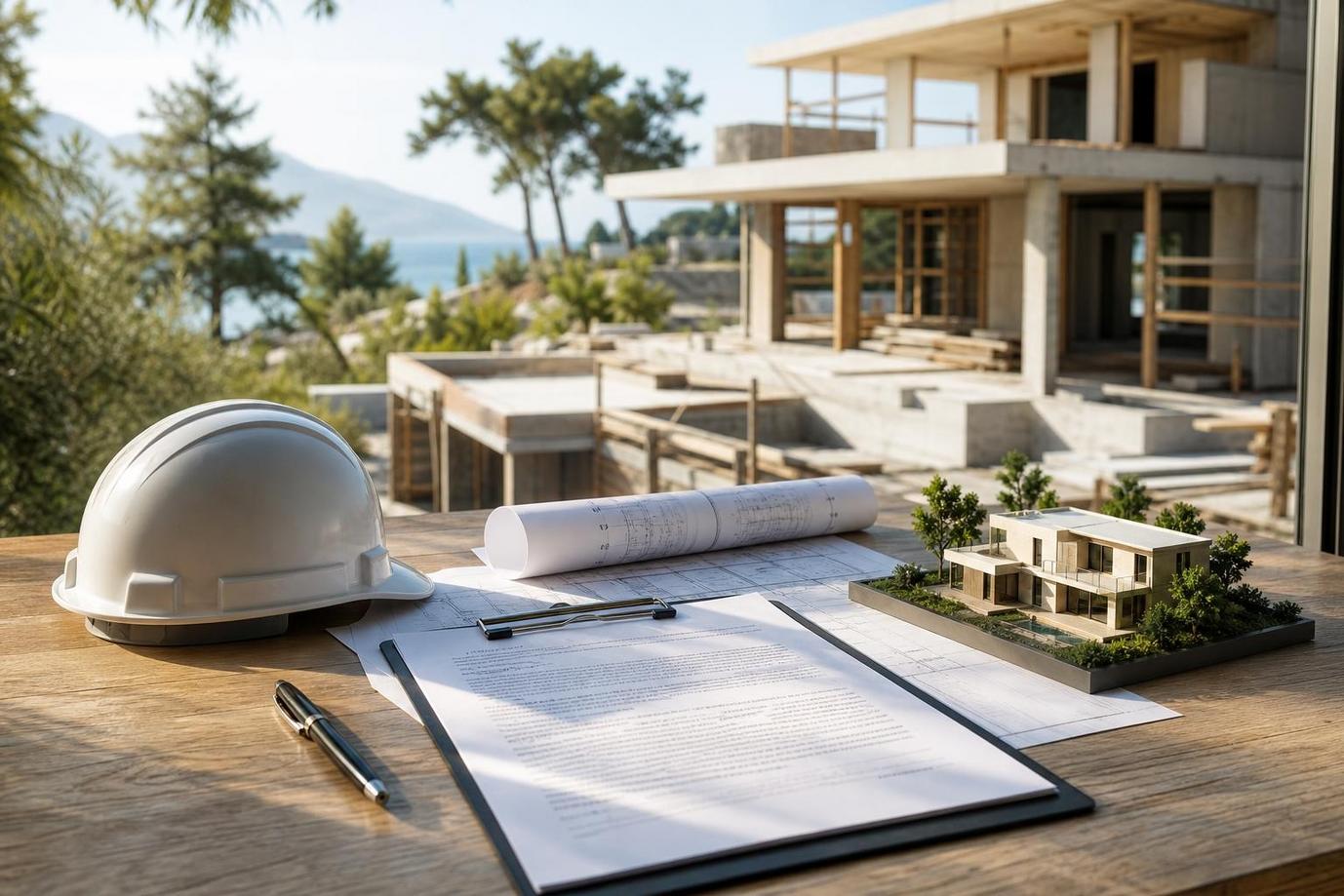
Buying a villa under construction in Turkey can be an excellent way to create a home tailored to your lifestyle, location preferences, and investment goals. However, before you sign any villa construction contract, it is important to understand exactly what is being promised, who is responsible for each stage, and how your rights are protected if something changes during the project.
For foreign buyers, the biggest mistake is often assuming that a contract is “standard” and therefore safe to sign without close review. In reality, a construction agreement should clearly define the land, the scope of the build, the timeline, the payment structure, the quality standards, and the legal documents supporting the project. Asking the right questions early can help you avoid delays, hidden costs, and misunderstandings later.
Sales materials can be impressive, especially in a competitive market like Antalya and other parts of coastal Turkey. But a brochure does not protect your money or your title rights. The contract does.
Before committing, make sure the agreement reflects the actual project and not just a general description of what the developer hopes to deliver. If something is important to you, it should be written down in clear language that can be checked later.
This is the first question every buyer should ask. In Turkey, a villa project may be sold in different ways depending on whether the land is already owned by the seller, whether the villa will be built on a titled plot, or whether you are purchasing a future property through a development agreement.
Ask for a clear explanation of:
If the structure of ownership is unclear, ask for it to be clarified by a qualified lawyer before you proceed.
One of the most important things to verify is whether the project has the necessary permits. In Turkey, the legal status of land and construction can affect both your purchase safety and the future usability of the villa.
You should ask whether the project has the relevant approvals for construction, and whether any additional permissions are needed before work begins or before handover. If the villa is on land with development restrictions, agricultural status, or zoning issues, those details must be understood in advance.
Do not rely on verbal assurances. Request documents and confirm them with an independent professional if needed.
Many disputes begin because the buyer imagined a higher level of finish than the contract actually promised. This is why the specification list is so important.
Ask for a detailed written description of:
If something is not listed, assume it is not included unless the contract says otherwise.
A promised delivery date should not be treated as a casual estimate. Ask when construction is expected to start, what the milestones are, and what date counts as completion.
Important timeline questions include:
A good contract should define the timeline clearly and explain what happens if one side does not meet its obligations.
Payment terms should always match the progress of the project. Never assume that a large upfront payment is normal simply because it is requested.
Ask how the payment schedule works and whether it is linked to construction stages such as foundation, shell completion, interior work, and final handover. Clarify:
It is also wise to ask how payments will be made, in which currency, and whether exchange-rate fluctuations could affect the final amount. This is especially important for foreign buyers.
Construction projects often evolve. Materials may become unavailable, layouts may be adjusted, or technical decisions may change during the build. That is not unusual, but the contract should define the limits of those changes.
Ask questions such as:
Without clear rules, small adjustments can become major disagreements.
A trustworthy construction contract should explain what is covered after handover. This may include structural issues, workmanship, or defects in specified systems. The exact warranty terms can vary, so they should always be written clearly rather than assumed.
Ask:
If warranty terms are vague, ask for them to be clarified before signing.
For buyers who are not based in Turkey full-time, the quality control process matters enormously. You should know who is checking the work while the villa is being built and how progress is reported to you.
Ask whether:
Regular communication and documented progress updates help reduce the risk of surprises at handover.
Every contract should explain what happens if one party fails to meet its obligations. This is a key protection point, especially in larger or longer projects.
Ask about:
Foreign buyers should also ask whether the contract language is legally reliable and whether a translated version will be provided. If there is any difference between language versions, that should be addressed before signing.
Hidden costs can quickly alter your budget. Before you sign, ask for a complete breakdown of what is included and what is not.
Common items to clarify include:
A clear cost breakdown helps you compare different projects on a like-for-like basis.
| Topic | Question to ask |
|---|---|
| Land ownership | Who owns the land, and what will be transferred to me? |
| Permits | Are all required permissions and approvals in place? |
| Specification | What materials, finishes, and features are included? |
| Timeline | When will the villa be completed, and what happens if there is a delay? |
| Payment terms | How are payments scheduled, and are they tied to milestones? |
| Warranties | What is covered after handover, and for how long? |
| Extra costs | What costs are not included in the purchase price? |
Even if the developer appears professional, it is still wise to have the contract reviewed independently. A property lawyer familiar with Turkish law can help confirm ownership details, review the wording of the agreement, and identify terms that may be unclear or risky for the buyer.
This is particularly important for international buyers who may not be familiar with local procedures, terminology, or document formats. If needed, ask for a translation and make sure you understand every clause before signing anything.
At Resort Property Turkey, we regularly assist international buyers who are considering villa projects in Antalya and other parts of Turkey. Our role is to help clients understand the buying process, review the practical details of a project, and connect them with the right local professionals when legal or technical checks are needed.
We believe buyers make better decisions when they understand exactly what they are signing. Whether you are comparing off-plan villa options, checking a contract structure, or exploring land-and-build opportunities, having experienced guidance can save time and reduce risk.
Signing a villa construction contract in Turkey should never be rushed. The right questions can reveal whether a project is properly structured, whether the timeline is realistic, and whether your investment is protected by clear documentation.
Focus on the legal status of the land, the permit situation, the specification list, the payment terms, and the remedies available if things go wrong. If any part of the contract is unclear, pause and get professional advice before moving forward. A careful approach at the beginning is always better than trying to solve problems after the build has started.
Lara is one of Antalya’s most recognisable residential areas, known for its long coastline, established neighbourhoods, modern developments, and easy access to the city centre. For international buy...
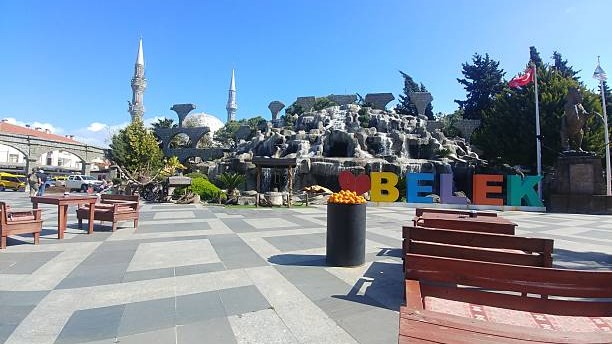
Why Is Belek Antalya So Popular for Holiday Living and Investment? Turkey, especially Antalya, has become one of the most attractive destinations in the Mediterranean f...