
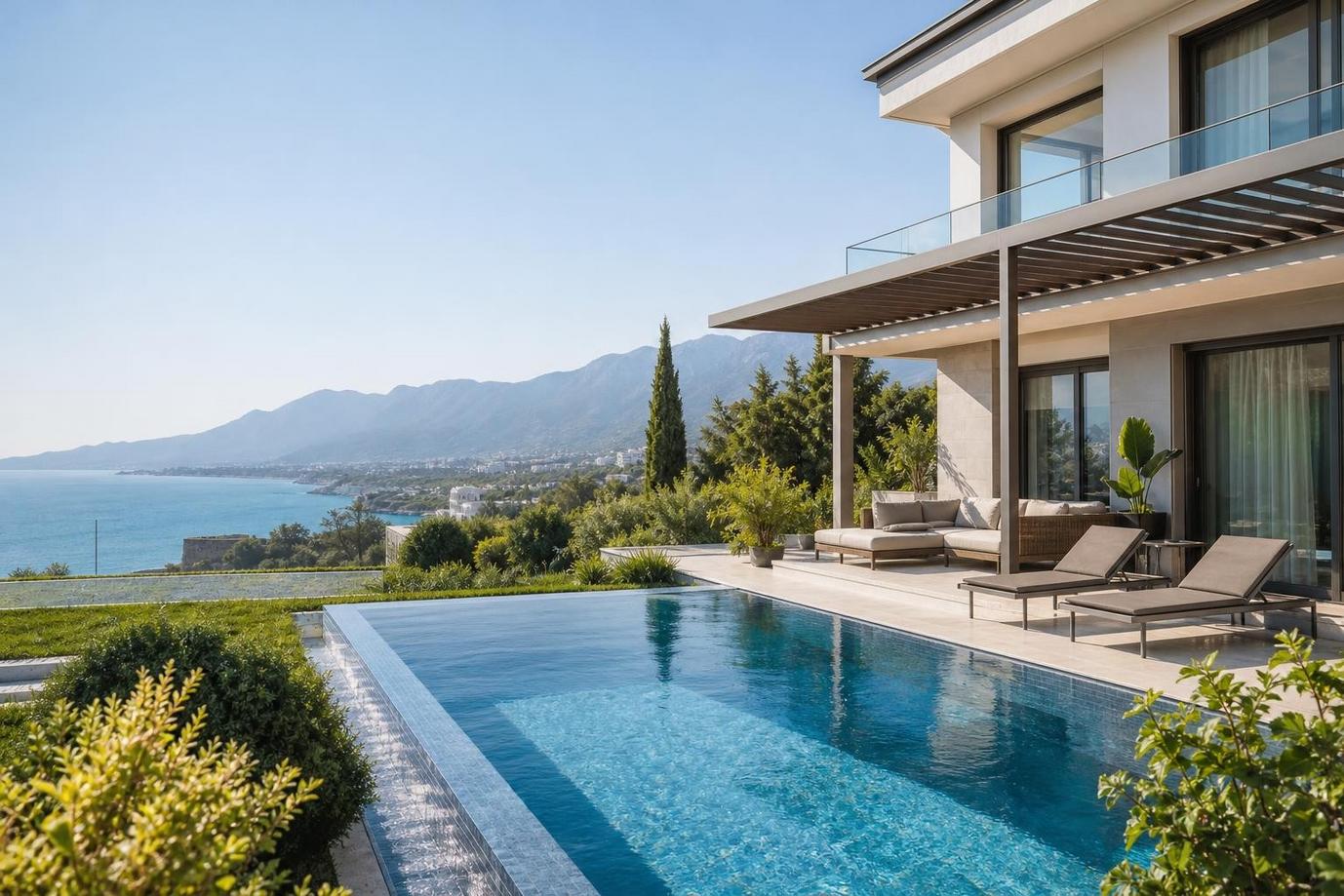
Buying a private pool villa in Turkey can be an excellent lifestyle choice and, for many buyers, a long-term property decision with strong personal value. But a villa purchase should never be based on appearance alone. A beautifully staged home, a sparkling pool, and a prime location can still hide legal, structural, or running-cost issues that become expensive later. If you are considering a villa in Antalya or another part of Turkey, it is important to review both the property itself and the paperwork behind it before you commit.
This guide explains the most important checks to make before buying a private pool villa in Turkey, especially if you are a foreign buyer unfamiliar with the local market, legal process, or building standards.
The first step is to confirm that the property is legally owned by the seller and that the title deed, known as the tapu, is clear. Do not rely only on marketing brochures or verbal assurances. You should verify that the person selling the villa is the registered owner or is legally authorised to act on behalf of the owner.
It is also worth checking whether the title deed includes any restrictions, shared ownership details, or annotations that could affect the sale. In some cases, a property may look fully complete and ready to move into, but the paperwork may not fully match the physical situation on site. This is one reason why legal review is essential before paying any deposit.
In Turkey, not every property on the market has the same level of construction approval. A villa may appear finished, but there can still be issues related to zoning, occupancy permission, or unregistered modifications. This is especially important for private pool villas, where outdoor areas, landscaping, and extensions are often altered after construction.
Ask whether the villa has the necessary completion documents and whether it was built in line with approved plans. If a pool, winter garden, pergola, enclosed terrace, or extra room has been added, confirm whether these changes were legally permitted. Unauthorised alterations can create problems later, particularly if you want to sell the property, insure it, or use it for rental purposes.
A pool villa should be checked as a home, not just as a holiday property. Structural quality matters more than decorative finishes. Before buying, look closely at the walls, ceilings, floors, windows, drainage, waterproofing, and exterior surfaces. In coastal and warm climates such as Antalya, long-term exposure to sun, humidity, and pool water can reveal weaknesses in materials and workmanship.
If possible, arrange a professional building inspection. A qualified inspection can help identify hidden problems such as damp, cracks, poor insulation, faulty plumbing, or electrical issues. These matters are not always obvious during a short viewing but can significantly affect comfort and future repair costs.
The pool is often the feature that attracts buyers to a private villa, but it should be evaluated with the same care as the house. A private pool can be a pleasure to own, but it also brings maintenance responsibilities and potential repair costs. Ask about the age of the pool, the filtration system, pump condition, waterproofing, tiles, lighting, and safety features.
You should also find out who has maintained the pool, how often it has been serviced, and whether any major repairs have already been completed. A neglected pool may look clean during a viewing but can hide problems with circulation, leaks, or surface damage.
For many buyers, the location is just as important as the villa itself. A quiet setting can be attractive, but it is worth checking the practical side of daily living and long-term ownership. Consider access to shops, healthcare, airports, beaches, schools, and transport connections. If you plan to use the villa as a holiday home, also think about whether the location remains convenient during the off-season.
In Antalya and other popular parts of Turkey, some areas are more suited to full-time living, while others are better for seasonal use or short breaks. A villa that feels secluded on a summer afternoon may feel very different in winter, especially if nearby services are limited.
Private pool villas usually involve more maintenance than apartments. Before buying, ask what the real running costs are likely to be. These can include pool care, garden maintenance, security, cleaning, utility bills, and occasional repairs. For foreign buyers, it is especially important to understand whether the villa is easy to maintain from abroad or whether you will need reliable local support.
If the property is in a gated community or managed estate, ask whether there are monthly or annual service charges. These may cover common-area maintenance, security, lighting, and landscaping. Even if the villa is detached, you may still need to budget for private services to keep the home in good condition year-round.
A villa may look perfect during a visit, but everyday comfort depends on practical infrastructure. Check the reliability of water, electricity, internet, drainage, and heating or cooling systems. In some locations, infrastructure quality can vary from one street to the next, so it is not enough to assume that everything works well because the area is popular.
Also ask about water pressure, backup systems, and any special arrangements for irrigation or pool filling. If you plan to live in the villa for long periods, or use it for remote work, internet quality and power stability become essential considerations.
If the villa is not only a lifestyle purchase but also an investment, you should check whether short-term or long-term rental use is realistic and permitted. Rules and local market conditions can change, so rental plans should be reviewed carefully before purchase. A villa with a private pool may appeal strongly to holiday renters, but demand depends on location, quality, legal permissions, and professional management.
Do not assume that a property with good holiday appeal will automatically perform well as a rental. Look at the practicalities: seasonal demand, maintenance costs, furnishing quality, and whether the area attracts the kind of guests you want to target. A professional local advisor can help you assess whether the property fits your investment goals.
Your reason for buying should shape your checklist. A villa purchased as a family holiday home may be judged very differently from one bought primarily for investment or future relocation. Think about how your needs may change over time. Will the property remain practical if your family grows? Is the layout suitable for older relatives? Could the home be resold easily if your plans change?
Flexible layouts, manageable gardens, good privacy, and accessible outdoor spaces often add long-term value. At the same time, very large villas or heavily customised homes can sometimes be harder to maintain or resell. It is wise to balance lifestyle appeal with market practicality.
Foreign buyers often find the villa purchase process much smoother when they work with experienced local professionals. A reputable property advisor can help you compare listings, arrange viewings, coordinate inspections, and flag potential risks early. Independent legal support is equally important, especially if you do not speak Turkish fluently or are unfamiliar with local procedures.
At Resort Property Turkey, we regularly assist international buyers who want a clear, structured approach to purchasing property in Antalya and other parts of Turkey. Our role is to help clients assess properties realistically, understand the paperwork, and make informed decisions without pressure. Where needed, buyers should also seek independent legal and technical advice, especially on matters that may be affected by current regulations.
| Area to Review | Why It Matters | What to Look For |
|---|---|---|
| Title deed | Confirms legal ownership | Clear tapu, correct owner, no hidden issues |
| Permits and approvals | Protects against legal problems | Completion documents, lawful additions, correct registration |
| Build quality | Affects comfort and repair costs | No damp, cracks, drainage issues, or poor workmanship |
| Pool condition | Impacts safety and maintenance | Working equipment, no leaks, sound waterproofing |
| Location | Shapes daily use and resale value | Access, services, noise levels, neighbourhood quality |
| Running costs | Influences affordability | Maintenance, utilities, services, and management fees |
A private pool villa in Turkey can offer space, privacy, and a very attractive lifestyle, but a successful purchase depends on much more than appearance. Before buying, check the title deed, legal status, construction quality, pool condition, location, and long-term running costs. If you are buying from abroad, these checks are even more important because they help you avoid unpleasant surprises after completion.
With the right guidance, buying a villa in Turkey can be a clear and confident process. Taking time to investigate the property properly is always worthwhile, whether you are searching for a holiday home, a permanent residence, or a strategic investment in Antalya. And because regulations and procedures can change, it is always wise to confirm the latest legal and tax requirements before finalising any purchase.