
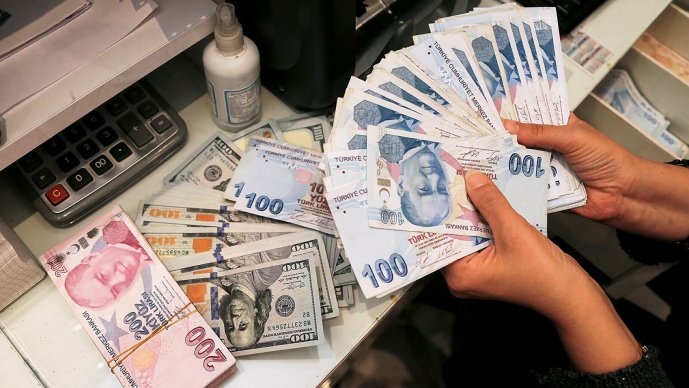
Foreign nationals purchasing real estate in Turkey need to understand an important financial step that forms part of the property acquisition process: the foreign currency exchange requirement and the Currency Purchase Document, commonly referred to in Turkey as the Döviz Alım Belgesi or DAB.
The requirement was introduced in 2022 and remains relevant to foreign property purchases in 2026.
Under the applicable framework, payment obligations relating to real estate purchased in Turkey by persons who do not have Turkish citizenship are fulfilled in foreign currency. Before the title deed transaction, the relevant foreign currency is sold to a bank operating in Turkey and subsequently sold by the bank to the Central Bank of the Republic of Türkiye. Payment to the relevant party is then made in Turkish lira.
For international purchasers, this procedure should be understood as one step within the wider process rather than as a separate investment requirement.
The Currency Purchase Document is generally known by its Turkish abbreviation DAB, derived from Döviz Alım Belgesi.
It provides evidence of the foreign currency transaction carried out through the banking system in connection with the property purchase.
The applicable Central Bank framework specifies information that must be included in the document. This includes identifying information for the person on whose behalf the currency is exchanged, information relating to the property, the US dollar equivalent of the foreign currency purchased and a statement identifying the transaction under the applicable rules.
The DAB therefore connects the foreign currency exchange with the specific real estate transaction.
Yes.
The requirement continues to appear in the Central Bank of the Republic of Türkiye's Capital Movements Circular governing these transactions.
Foreign buyers should therefore not assume that the requirement has disappeared simply because it was originally introduced several years ago.
At the same time, buyers should use current information rather than old online instructions because the administrative procedure and method of transmitting documentation can evolve.
The relevant foreign currency transaction must be conducted through a bank operating in Turkey in accordance with the applicable procedure.
Using an ordinary currency exchange office is not a substitute for the banking process required for the property transaction.
The bank processes the foreign currency transaction within the framework established by the Central Bank.
For this reason, foreign buyers should coordinate the payment procedure with the bank and the professionals handling the property transaction before the Tapu appointment.
The required foreign currency transaction needs to be completed before the relevant title deed transaction.
This is an important practical point.
Buyers should not leave the banking procedure until after the planned ownership transfer.
The banking and property transaction stages should therefore be coordinated in advance as part of the overall Property Buying Process in Turkey.
This is an area where older information about the procedure can be misleading.
Under the current Central Bank framework, the bank issuing the Currency Purchase Document sends it to the relevant land registry administration electronically through the Registered Electronic Mail system, known in Turkey as KEP.
The required DAB must have been transmitted by the bank before the parties can proceed with the relevant title deed application.
This electronic process is important because many older guides still describe the buyer as physically obtaining the document and personally presenting it to the Land Registry.
Buyers should therefore follow the current procedure provided by the bank handling the exchange.
The amount involved should correspond to the payment obligation connected with the property transaction in accordance with the applicable rules.
The Turkish lira amount recorded in the Currency Purchase Document is used in connection with the declared sale amount for the land registry procedure.
Because the financial details of individual transactions can differ, buyers should coordinate the exact amount with the bank and the professionals handling the transaction before exchanging the funds.
This helps avoid discrepancies between the banking documentation, agreed property price and information used during the Tapu process.
Under the applicable Central Bank framework, the foreign currency sale to the bank can be carried out by specified parties connected with the property transaction.
These can include the buyer, seller or their authorised representatives.
Where a representative is acting on behalf of a buyer or seller, the authority to carry out the relevant transaction should be properly established.
International purchasers who cannot personally attend every stage of the transaction can also read our Power of Attorney in Turkey guide to understand how authorised representation may work in property transactions.
The rule concerns persons who do not have citizenship ties with the Republic of Türkiye when purchasing real estate under the relevant framework.
Individual circumstances can nevertheless affect the documentation and procedures required in a transaction.
For this reason, buyers should confirm how the current rules apply to their nationality, status and specific property purchase before transferring funds.
Our dedicated Can Foreigners Buy Property in Turkey guide provides broader information about foreign ownership of Turkish real estate.
The currency exchange procedure should not be confused with the actual transfer of property ownership.
The DAB relates to the financial and documentary requirements connected with the transaction.
The Tapu process concerns the official registration of ownership.
Both form parts of the wider purchasing process, but they perform different functions.
International buyers should therefore understand the banking procedure as well as the ownership transfer procedure before completing a property purchase.
Our Title Deed in Turkey guide explains the Tapu and ownership transfer process in greater detail.
Property purchases connected with an application for Turkish citizenship can involve additional documentation and requirements beyond those applying to an ordinary foreign property purchase.
The Currency Purchase Document is relevant to the foreign currency procedure, while citizenship-related property transactions can require additional evidence concerning payment and compliance with the applicable investment rules.
A buyer should therefore never assume that completing the DAB procedure alone makes a property or transaction eligible for Turkish citizenship.
Citizenship rules, qualifying values, payment evidence, annotations and other requirements should be checked separately against the current regulations.
Buyers considering this route should use our dedicated Turkish Citizenship by Property Investment guide rather than relying on general property purchase information.
No.
A bank payment receipt and a Currency Purchase Document serve different purposes.
The DAB relates to the required foreign currency transaction through the banking system.
A bank receipt can provide evidence of a payment or transfer between the parties.
Depending on the type and purpose of the transaction, particularly where citizenship is involved, additional banking evidence may be required.
Buyers should therefore retain all relevant banking and transaction records rather than assuming that one document automatically replaces another.
The applicable framework allows specified parties connected with the transaction, including the buyer or seller and their authorised representatives, to carry out the foreign currency sale to the bank.
However, the payment structure should be planned before funds are transferred.
International buyers should avoid improvising the payment process after sending substantial amounts of money.
The bank, property professionals and, where appropriate, independent legal adviser should understand the intended transaction structure before the Tapu procedure begins.
The foreign currency exchange requirement has existed since 2022, which means there are now many older articles explaining the procedure.
Some remain broadly correct, but administrative details may have changed.
One particularly important example is the electronic transmission of the DAB by the bank to the relevant land registry administration.
For this reason, buyers should distinguish between the underlying legal requirement and the current administrative procedure used to satisfy it.
Current information from the bank and relevant authorities should always take priority over an old checklist found online.
The same foreign currency procedure can become relevant when an eligible foreign buyer purchases property in popular international markets such as Antalya and Belek.
Whether the buyer is considering an apartment through Property For Sale In Antalya or a villa within Belek Property, the financial documentation should be organised before the title deed transaction.
The lifestyle or location of the property does not change the need to complete the applicable purchase procedures correctly.
For example, an international buyer attracted to Golf In Belek may initially choose Belek because of its courses and resort lifestyle, but the eventual property purchase still needs to follow the same appropriate banking, documentation and ownership procedures.
The Currency Purchase Document should be treated as a planned part of a foreign buyer's property transaction rather than as a last-minute administrative formality.
Before the ownership transfer, buyers should understand how the purchase funds will be transferred, which bank will handle the required foreign currency transaction and how the documentation will be processed.
Proper coordination reduces the risk of delays caused by incomplete or inconsistent banking documentation.
Foreign purchasers who want to understand the entire transaction from property selection through to ownership transfer should begin with our Buying Property in Turkey guide.
Once the process is understood, buyers ready to search for a home can explore Property For Sale In Turkey and compare suitable regions and property types.

What Happens to Property in Turkey When a Foreign Owner Dies?International buyers frequently ask what will happen to their Turkish property in the future and how ownership can pass to their family aft...

Can Property Be Sold Through a Notary in Turkey?Yes. Property sales in Turkey can be completed through auth...